
Designing an Experience they won't forget Aug 24, 2026, 8:21:10 AM Grant Collins 5 min read
.jpg?width=1000&name=shared%20image%20(4).jpg)
Your arena design is doing more work than you think. It affects how quickly groups move through sessions, how many players can play comfortably at once, how often equipment breaks, how safe the space is, and most importantly, how memorable the experience feels.
Zone works with operators on arena design as part of the installation process, and over nearly four decades of building arenas worldwide, some clear principles have emerged. Here are the ones that matter most.
Here is an example of a recent arena completed in New Zealand, which took advantage of Zones DMX lighting, UV wallpapers, and base automations for haze effects.
Start With Accessibility, Not Just Safety
The standard advice is to design for safety. The better advice is to design for inclusion, because an arena that's safe but excludes players with mobility limitations, wheelchair users, or physical differences is leaving money on the table and failing a portion of your potential audience.
Two specific numbers worth knowing:
- 1.2 metre minimum gap width between obstacles, walls, and arena features. This ensures wheelchair users and players of all body types can navigate the arena without difficulty.
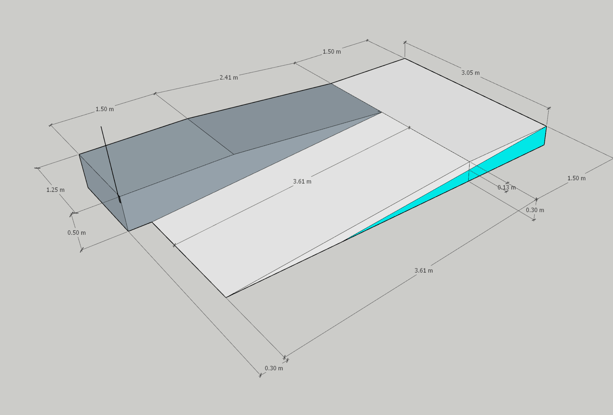
- 1:12 ramp ratio for any level changes in the arena. This is the standard for accessibility ramps and ensures that ramps are genuinely navigable, not just technically present.
Zone's Helios3 system is designed with inclusivity in mind the vest fits everyone, the controls work for players with disabilities or limited upper-body mobility. The hardware investment works better when the arena it operates in is equally thoughtful.
Durability is a Design Choice
New operators sometimes design beautiful arenas with beautiful features that start falling apart within the first year. Hanging plants, fabric elements, decorative items within reach, and anything that can be grabbed, swung from, or ripped will be grabbed, swung from, or ripped, often within the first week.
Design decisions that seem aesthetic are actually operational:
No hanging elements within player reach. Plants, lights, fabric panels, thematic props. If a player can touch it, they will. Design your hanging features at a height that makes them visual without making them interactive.
No sharp corners on obstacles or walls. Sharp edges damage vest cables and create genuine safety risks during a game where people are moving quickly and not always watching where they're going.
No long straight runs. A straight corridor in a laser tag arena encourages running. Running in a dark environment with players coming from the other direction is a safety issue. Design your layout to break sight lines and naturally moderate player speed.
Smooth cable management. Cables that are exposed or not properly contained get caught, pulled, and damaged. Good cable runs are hidden, secured, and not crossing player paths.
.jpg?width=2000&height=1500&name=shared%20image%20(4).jpg)
Lighting and Sound Are Not Optional
This is the single most common area where operators underinvest, and it's the one that has the largest impact on how the experience feels.
Lighting and sound don't just set the atmosphere, they're part of the gameplay. When a base is under attack, the lights in that zone change. When a player is eliminated, there's an audio cue. When the game reaches its final countdown, the arena feels different.
O-Zone handles all of this automatically once your lighting and audio are set up correctly. The software fires lighting changes, fog effects, and audio cues based on game events. But if your lighting rig can't respond dynamically, or your speakers don't have sufficient coverage, the software's capabilities don't reach the player.
Design your lighting and audio systems for dynamic use, not static ambience. UV lighting is the foundation for most laser tag arenas, Zone's UV wallpapers are specifically designed to be vibrant under UV and to tell a thematic story. But UV alone isn't enough. Your lighting design should include colour-changing zones that can respond to game events, and your speaker placement should ensure every corner of the arena has audible game audio.
The Arena Should Tell a Story
Players walk into your arena before the game starts. In those first 30 seconds, the design either creates anticipation or it doesn't.
The most memorable arenas have a coherent theme that the design communicates visually. It doesn't need to be elaborate a consistent colour palette, a few signature visual elements, and lighting that makes the space feel purposeful is more effective than a crowded mix of unrelated decorations.
Zone's UV wallprints are one of the most practical tools for theming because they're high-impact visually, relatively low-cost compared to custom builds, and can be changed as your theme evolves. A space that "tells a story" doesn't require a construction crew it requires intentional visual decisions applied consistently.
Layout Principles That Affect Gameplay
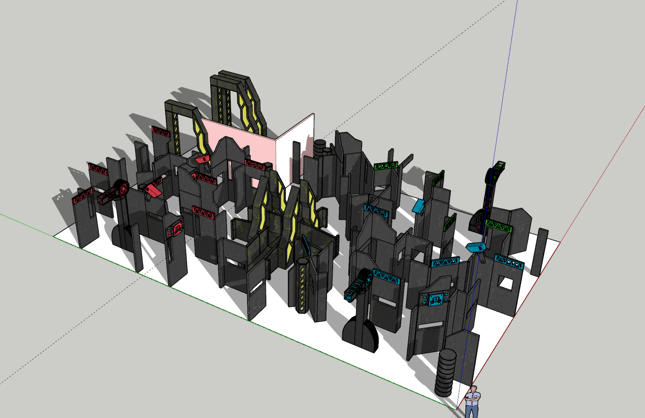
Bases should be distributed, not clustered. Bases that are all in one corner create a chokepoint that dominates the game in ways that aren't fun for casual players. Spread them through the arena so the game has multiple strategic centres.
Break sight lines, but create clear sightlines too. Constant cover is claustrophobic and slows play. Occasional open zones with clear sightlines create the tension that makes laser tag genuinely exciting. The balance between cover and exposure is what makes a well-designed arena play well at every session.
Consider traffic flow, not just gameplay. How do players enter the arena? Where do they exit? How does a large group of 25 spread out from the entry point without a bottleneck in the first 30 seconds? Throughput isn't just about the game time, it's about the 90 seconds on either side of it.
.jpg?width=1770&height=1328&name=shared%20image%20(5).jpg)
Get Your Arena Designed Properly
Zone offers arena design support as part of the installation process for Helios3 systems. This isn't a generic service, it's informed by what's worked and failed across thousands of arena builds in dozens of countries.
If you're designing a new arena or looking to renovate an existing one, involving Zone's design input early in the process is significantly cheaper than retrofitting problems that surface after opening. The most expensive lesson in arena design is the one you learn after the walls are built.

Grant Collins
Sales and Business development for Zone Laser Tag. Owner of the Space Llama group of companies, which runs multiple FEC's in New Zealand.